Spruce Wood About
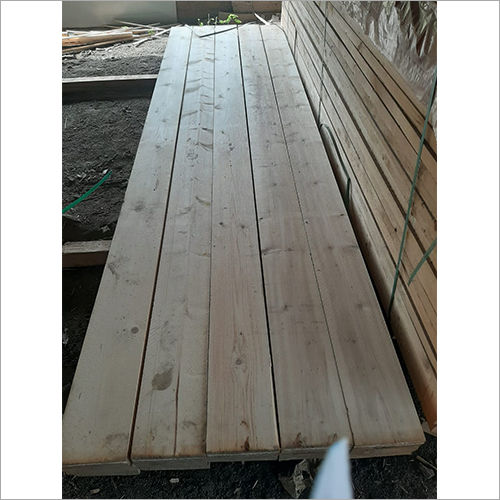
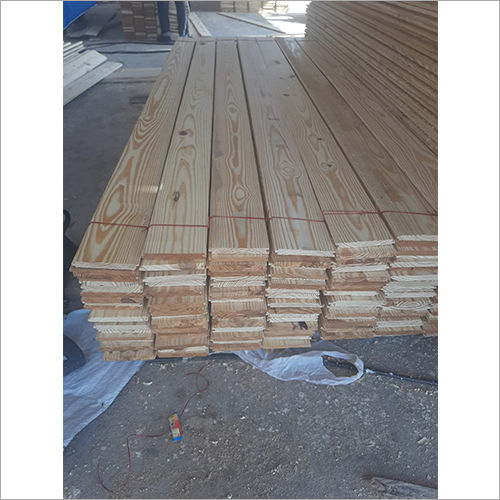
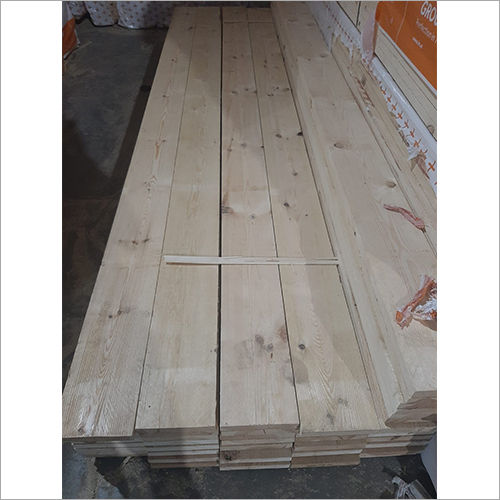
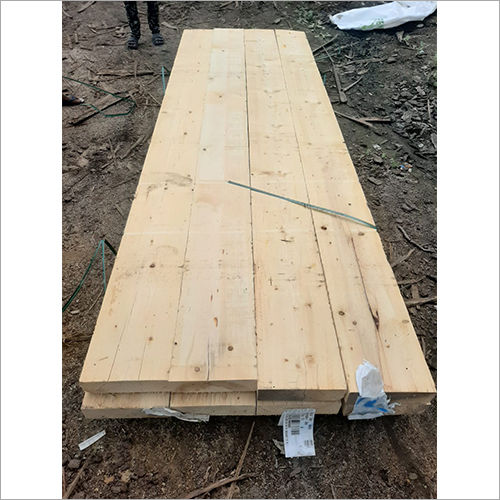
Spruce wood is a type of softwood that is commonly used in construction, woodworking, and paper production. It is a light-colored wood with a straight grain pattern and a relatively uniform texture, making it easy to work with and finish. Spruce wood is known for its strength and stiffness, and is often used in construction for framing, sheathing, and roof decking. It is also commonly used in woodworking projects such as furniture and cabinetry, due to its aesthetic appeal and workability.
Versatile & Workable TimberSpruce wood is favored among professionals for its fine grain, lightweight structure, and excellent workability. It saws, nails, glues, and finishes effortlessly, making it suitable for a wide variety of industrial uses. Whether planed, sanded, or left unfinished, spruce maintains its integrity and appearance, allowing for creative and precise construction or manufacturing projects.
Sustainability & Quality CertificationResponsibly sourced from renewable forests, our spruce wood adheres to strict environmental and safety standards, including E0/E1 formaldehyde ratings and full compliance with EN 13183. Each batch is kiln-dried and anti-termite treated for longevity, ensuring quality and sustainability from procurement to finished product.
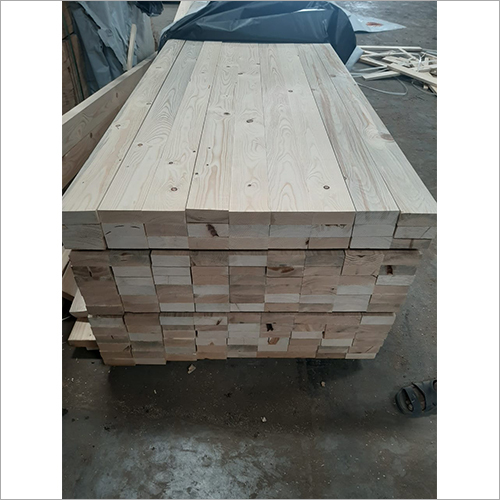
Customizable & Ready-to-UseAvailable in a range of dimensions-from 2m to 6m lengths, widths of 60mm to 300mm, and thicknesses between 20mm to 50mm-spruce wood can be tailored to your project requirements. Orders are bundled or palletized and plastic-wrapped for protection, with large inventories ensuring immediate dispatch throughout India.
FAQ's of Spruce Wood:
Q: How is spruce wood typically used in industrial applications?
A: Due to its lightweight, stability, and high load capacity, spruce wood is popular for construction, furniture manufacturing, joinery, and other industrial uses where strength, ease of work, and reliable performance are required.
Q: What makes spruce wood easy to work with compared to other timbers?
A: Spruce wood features a soft composition, fine, even grain, and low density (450g/cm3), allowing it to be easily sawn, nailed, glued, or finished. These characteristics help reduce tool wear and streamline processing on job sites or in workshops.
Q: When should spruce wood be sealed or treated for outdoor use?
A: Although spruce is naturally durable, it is recommended to seal or finish it before exposure to outdoor environments. This helps protect against moisture, weathering, and prolongs the wood's service life, especially in variable climates.
Q: Where does your spruce wood come from and how is its environmental impact minimized?
A: Our spruce wood is sourced from sustainably managed forests, supporting responsible forestry practices. With certifications for low formaldehyde emissions (E0/E1) and stringent European standards, we ensure an eco-friendly supply chain and product.
Q: What customization options are available for spruce wood orders?
A: We offer spruce planks in custom sizes and thicknesses. Edge profiles can be square or bevelled, and finishes such as planed, sanded, or left unfinished. Packing preferences and minimum order quantities are flexible, depending on supplier policy.
Q: How long does spruce wood last with proper treatment and maintenance?
A: Spruce wood is long-lasting when correctly treated, kiln-dried, and protected against termites or outdoor exposure. With low maintenance requirements and timely sealing when used externally, it serves reliably for many years.
Q: What are the main benefits of choosing spruce wood for construction or manufacturing?
A: Benefits include its lightweight yet sturdy nature, excellent workability, smooth finish, low environmental impact, customizable options, and availability in large quantities-making it a versatile and cost-effective choice for diverse projects.


 Send Inquiry



 Send Inquiry
 Send Inquiry
 Send SMS
 Call Me Free
